
Article overview: (source: https://live.staticflickr.com/5650/31312105462_3941a73538_b.jpg) As of June 1st, we have officially entered hurricane season, which runs through November 30th. And acco...
 (source: https://live.staticflickr.com/5650/31312105462_3941a73538_b.jpg)
As of June 1st, we have officially entered hurricane season, which runs through November 30th. And according to the National Oceanic and Atmospheric Administration (NOAA), there’s an 85 percent chance we’ll see above average activity in 2024 — as we already have with the Category 5 Hurricane Beryl. Warmer temperatures in the Atlantic, La Niña in the Pacific, and reduced wind shear have converged to create the perfect storm. Or, more likely, several of them.
If you haven’t already, we encourage you to develop an action plan for your vessel. Our hurricane preparation tips from last year are a good place to start:
- Review your dock contract. Some marinas require owners to remove their vessels, which is the best way to avoid damage from rising tides and hurricane-force winds.
- If you have to keep your yacht docked, remove loose items and secure anything that can’t be stored elsewhere.
- Position your vessel to reduce impact, and shut off any electronics with the exception of the bilge pump. Reduce impact with extra fenders or tires.
- For yachts on shore, secure the vessel using helical anchors drilled into the ground.
- Check your insurance coverage to see if it includes hurricane damage. If so, take inventory before the storm by recording a video of your yacht’s decks and interior. Many insurers won’t allow policy changes once a major storm is forecast, so review your coverage as soon as you can.
- Gather all of your legal documents (including your title, registration, marina agreement, and insurance policy) and store them in a safe place on shore.
To further prepare you for this season’s increased intensity, we’re sharing some additional steps.
Secure Your Vessel
As with larger yachts, bringing your vessel on land is considered best practice when a major storm is approaching. High winds and rising tides can damage boats even when they’re securely docked. Keeping your vessel on a lift is also risky, as hurricane-force winds can break piles or even raise them, causing the entire lift to collapse. If there’s no way to bring your vessel ashore, tighten the straps to form a cradle and raise it to the highest possible setting. To reduce sway, secure the lift’s base to nearby pilings.
If your boat is on land, enclosed storage is ideal but may not always be feasible. Boats and trailers kept outdoors should be tied down using taut lines. Remove any canvas, cushions, and other possible projectiles, and secure all hatches with tape.
How to Avoid Severe Weather at Sea
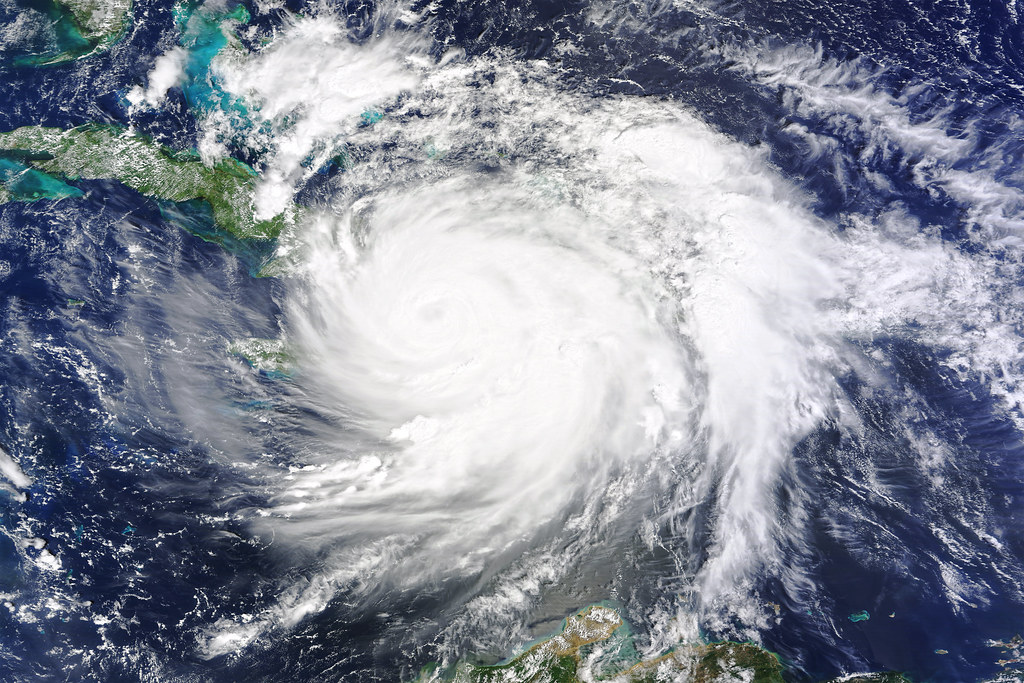 Image link: https://openverse.org/image/1025484a-e933-4277-b937-e66f61d1806e?q=hurricane
Hurricanes can occur anywhere in the Atlantic basin, so there’s at least some risk of severe weather when you’re boating off the East Coast in the summer and fall. But certain times and places have higher risks. For example:
- It’s best to steer clear of the Caribbean Sea and Gulf of Mexico in mid-October.
- Northwest Florida, Southwest Florida, and Southeast Florida have historically seen the highest hurricane activity, including more high-category storms than other coastal areas.
- The Bahamas are most likely to experience severe storms August through November.
- With rising ocean temperatures, boaters all along the East Coast should stay prepared by watching the weather and keeping a safety kit on board.
And no matter your destination, always include life-saving devices, extra rope, a first aid kit, spare clothing, nonperishable food and water, and a flare gun.
As Floridians and those living on the East Coast know all too well, once a hurricane has formed, things can move quickly. For boaters perhaps not thoroughly versed in hurricanes, being ready to act is key. Typically, experts can begin forecasting a path three to five days in advance. That’s not much time, but it’s enough to reschedule plans or change course, if needed. And when in doubt, err on the side of caution.
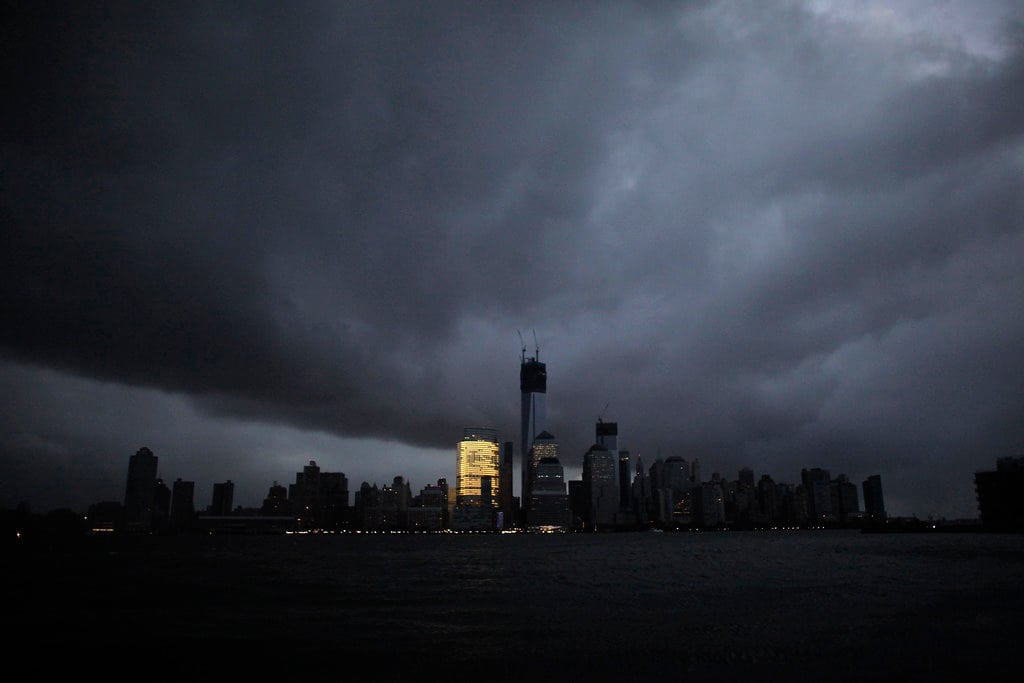
If you’re already out to sea when a storm warning is issued, act quickly to find the nearest port and keep your marine radio on. Listen for warnings with detailed forecasts from the U.S. Coast Guard, as well as instructions for seeking safe harbor. No matter when you’re at sea, always watch for the signs to head back: shifting winds, abrupt changes in temperature, and darkening skies.
 (source: https://live.staticflickr.com/8472/8142806501_b4693c7f5a_b.jpg)
What to Do if You’re Caught in a Storm
You know to stay safely ashore when there’s even a remote chance of a natural disaster. Even so, it’s not unusual to find a surprise storm approaching when you’re in open water. If you’re caught in a squall, there are two options: outrunning the storm or slowing down to a speed at which you can maintain control and the boat can remain responsive.
Riding out bad weather should always be your last resort. If it’s unavoidable, steer towards the side of the storm where the winds and waves are least intense. Keep a significant distance from other objects to your best ability, as even a buoy can become a hazard in high seas.
Storm preparedness is an essential part of boat ownership. As boating experts with firsthand knowledge of each vessel we sell, HMY’s Yacht Sales Professionals can offer guidance to help you develop a foolproof hurricane preparedness plan. Contact your broker directly with any questions, or call our main line at (561) 328-1100.